July 31, 2026
A home’s foundation depends on more than concrete, grading, and structural reinforcement. It also relies on a drainage system that moves rainwater away from the property before it can collect along exterior walls. When gutters leak, overflow, or pull away from the roofline, water may settle near the foundation, saturate the surrounding soil, and create pressure against basement or crawl-space walls. Over time, this repeated exposure can contribute to cracks, settlement, mold growth, and expensive structural repairs. Professional seamless gutter installation helps direct runoff safely away from vulnerable areas while reducing the weak points commonly found in sectional gutter systems.
Reducing Leaks Along the Roofline
Traditional sectional gutters are assembled from multiple pieces joined together along the edge of the roof. Every joint creates a potential failure point where sealant can deteriorate, fasteners can loosen, and water can begin to escape. Even a small leak can repeatedly soak the same area beside the house, gradually softening the soil and increasing the risk of erosion. Because these leaks may be difficult to notice from the ground, damage can continue long before a homeowner realizes there is a problem.
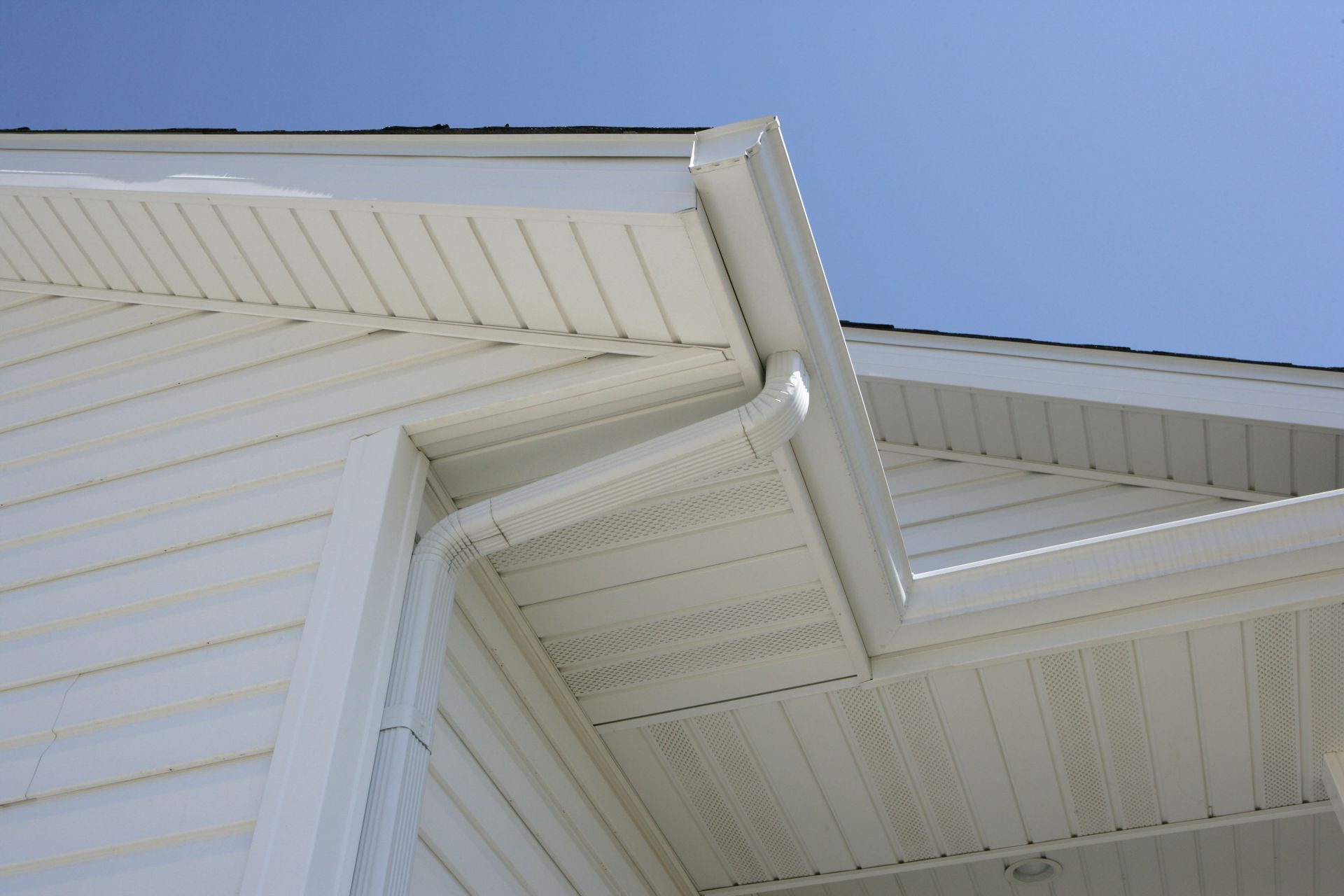
Seamless systems are formed in long, continuous sections that fit the dimensions of the home. Fewer joints mean fewer opportunities for water to leak before reaching the downspouts. Professional installers also seal corners and end caps carefully so runoff remains contained within the system. They can shape each run on-site, allowing it to follow the roofline more precisely than many pre-cut sections. This customized fit can improve both drainage performance and exterior appearance. By reducing uncontrolled discharge along the roofline, seamless gutter installation helps protect the ground surrounding the foundation and supports more consistent drainage during heavy rain.
Directing Water Away From the Foundation
Gutters are only effective when they move water to the right location. Downspouts that empty too close to the house can concentrate large amounts of runoff beside foundation walls. The soil may become oversaturated, causing it to expand, wash away, or lose the stability needed to support the structure evenly. In colder climates, trapped moisture may also freeze and expand, adding further pressure against concrete and masonry surfaces.
A professional installer evaluates roof area, gutter capacity, downspout placement, and the slope of the surrounding property before completing the system. Extensions, splash blocks, or underground drainage connections may be recommended to carry water farther from the building. The installer may also consider patios, walkways, planting beds, and neighboring structures when selecting discharge locations. Proper planning ensures that water does not simply leave the roof but reaches a safe discharge point. This controlled movement helps prevent puddling, soil displacement, and repeated moisture exposure around the home’s perimeter.
Maintaining the Correct Gutter Slope
Gutters must be installed with a slight, consistent pitch so water flows toward each downspout. If the slope is too shallow, water can remain trapped in the channel and eventually overflow. If it is too steep, runoff may move too quickly and overshoot the downspout opening. Uneven sections can also create low spots where debris collects, increasing the likelihood of clogs and standing water.
Professional technicians use accurate measurements and specialized tools to establish the proper pitch across the entire roofline. They also account for long runs that may require more than one downspout. Correctly sloped gutters drain efficiently after storms rather than holding water against fascia boards or spilling near the foundation. The precision involved in seamless gutter installation is especially important on larger homes, where minor errors can affect significant amounts of runoff and create drainage problems across multiple areas.
Preventing Overflow During Heavy Rain
Heavy rainfall can overwhelm gutters that are undersized, poorly positioned, or blocked by debris. When water spills over the edge, it often lands directly beside the house and can wash away mulch, damage landscaping, and create trenches in the soil. Repeated overflow may also stain siding, rot wood trim, and allow moisture to enter basements or crawl spaces through existing cracks and joints.
Experienced installers calculate how much water the roof is likely to collect and recommend gutter dimensions that can manage local weather conditions. They also place downspouts where they can relieve the system efficiently. Wider channels or additional downspouts may be needed on steep roofs or large roof sections. Installers can also account for roof valleys, which may direct unusually high volumes of water into a concentrated area. Proper sizing during seamless gutter installation allows the system to handle intense storms more effectively, reducing the sudden water concentration that can threaten foundation stability.
Protecting Soil From Erosion
The soil surrounding a foundation provides essential support, but uncontrolled runoff can gradually carry it away. Erosion may create visible gaps, low areas, or channels around the property. As soil disappears or shifts, sections of the foundation may lose even support. This can contribute to uneven settlement, interior wall cracks, sticking doors, sloped floors, and other warning signs of structural movement.
By collecting water at the roofline and routing it through planned discharge points, gutters help preserve the soil that supports the home. Professional seamless gutter installation also reduces dripping and leakage between gutter sections, limiting the small but persistent flows that can wash soil away over time. Maintaining stable soil conditions is an important part of protecting both the foundation and the structural components resting above it.
Preserving Basement and Crawl-Space Conditions
Water near the foundation does not always cause immediate structural movement, but it can still create serious moisture problems. Hydrostatic pressure may force water through porous concrete, mortar joints, utility openings, or existing cracks. Damp basements and crawl spaces can develop musty odors, damaged insulation, wood decay, and mold growth. Moisture may also increase indoor humidity and affect air quality throughout the house.
A reliable gutter system reduces the volume of water that reaches below-grade walls. When combined with proper grading and drainage, it helps keep these spaces drier and easier to maintain. Homeowners may also avoid repeated cleanup, damaged belongings, and costly waterproofing work. Because moisture problems often become worse gradually, preventing water accumulation outside the home is usually more effective than responding after it enters.
Extending the Life of the Drainage System
Long-term performance depends on both the gutter material and the quality of the installation. According to HomeGuide, seamless gutters typically have a lifespan of 20 to 50 years, depending on the material used and the quality of the installation. Aluminum, steel, and copper each have different durability, maintenance, and cost characteristics. Choosing the right material for the climate and property can help homeowners receive dependable protection for many years.
Professional installers secure gutters with properly spaced hangers, seal vulnerable areas, and check that fascia boards can support the system. They can also recommend maintenance practices such as routine cleaning and periodic inspections. A well-built system is less likely to sag, separate, or pull away during storms. Investing in seamless gutter installation can therefore reduce the likelihood of premature replacement while helping preserve the foundation, siding, roof edges, and landscaping.
Foundation damage often begins with repeated water exposure that seems minor at first but becomes more serious over time. Leaks, improper slope, limited capacity, poor downspout placement, and erosion can all allow runoff to collect where it should not. A professionally designed gutter system controls that water before it can saturate soil, enter lower levels, or weaken structural support. With accurate measurements, durable materials, and careful drainage planning, seamless gutter installation provides long-term protection for the entire property. To schedule dependable gutter service and help protect your home from costly water damage, contact The Gutter Guy.